
Porcelain vs Ceramic Tiles: What’s the Difference?
Porcelain and ceramic tiles may look similar, but they perform slightly differently. Understanding the distinction helps ensure you choose the right option for your space.
Porcelain Tiles
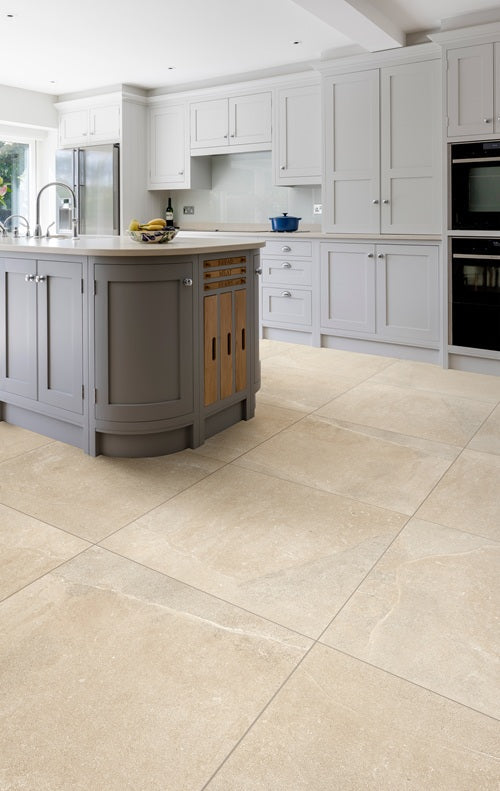
Porcelain is denser and less porous, making it highly durable and water-resistant. Because of its strength, it is particularly well suited to floor applications, including:
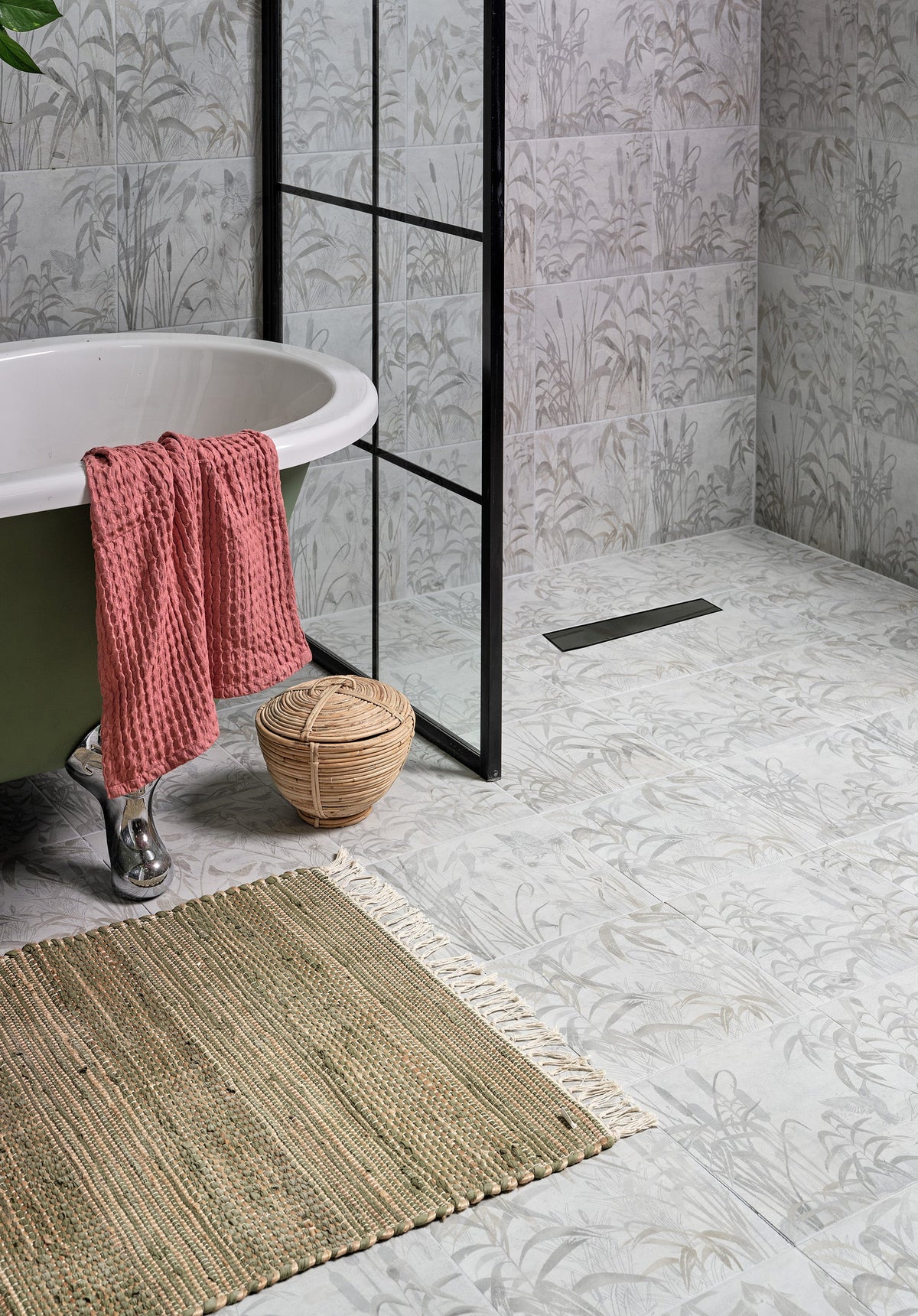
· Bathroom floors
· Kitchens
· Hallways
· Utility spaces
· Outdoor areas
Modern porcelain tiles can beautifully replicate natural stone, marble and concrete, offering both practicality and design flexibility. They are often the preferred choice where longevity and durability are important.
Ceramic Tiles
Ceramic tiles are generally lighter in weight and easier to cut. They are best suited to wall applications and decorative features, such as:
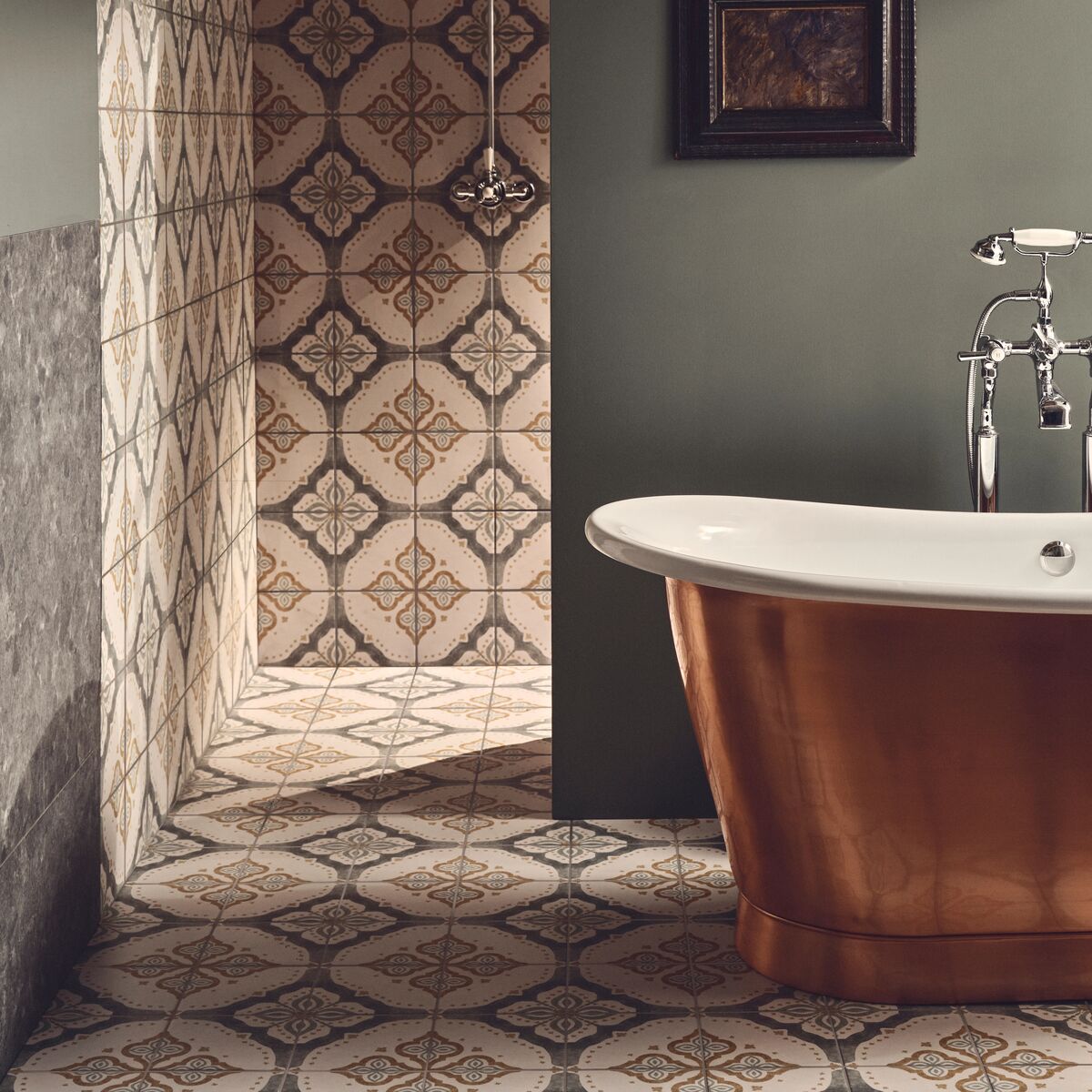
- Bathroom walls
- Kitchen splashbacks
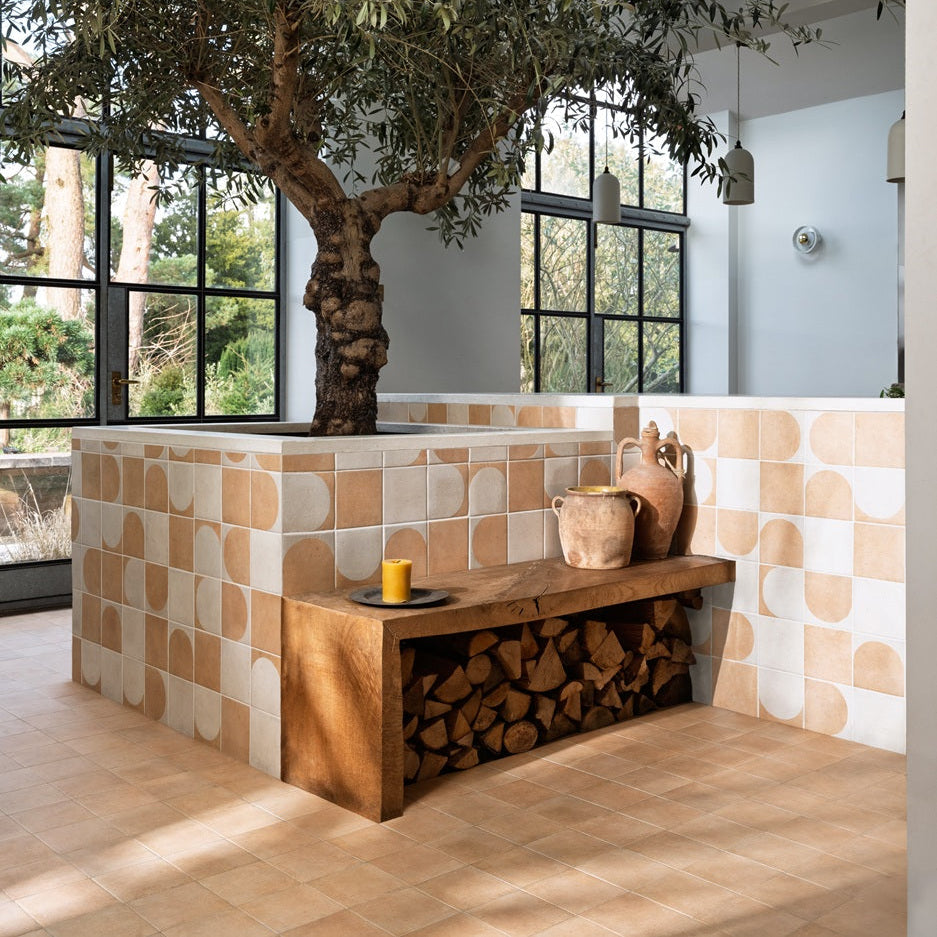
- Feature panels
- Fireplace surrounds (subject to heat suitability)
Many ceramic tiles are designed specifically for walls rather than floors. We will always advise on suitability to ensure the right tile is used in the right setting.
Which should you choose?
In most homes, porcelain is the most versatile choice — particularly for floors and higher-traffic areas. Ceramic tiles, however, can offer beautiful decorative detail for walls and statement spaces.
The right decision depends on your project, how the space will be used, and the overall look you are hoping to achieve. We’re always happy to talk through the differences in person and help you compare samples with confidence.